I asked ChatGPT to write a modern poem inspired by The Arrow and the Song by Henry Wadsworth Longfellow. Rather than simply updating the language, I wanted it to explore the same idea: that our words and actions can leave lasting effects, even when we never see where they lead.
This was the result:
What We Leave Behind (Poem)
I struck a match against the night,
Then left before the morning light.
I never saw which hearts grew warm,
Or which were scarred by sparks’ first form.
I cast a stone into the tide;
The ripples wandered far and wide.
Some reached a shore to shape the sand;
Some stole a castle, grain by grain.
The years returned what I had thrown—
Not every seed was kindness sown.
For every gift our hands impart,
May build—or break—another heart.
From that same idea, I then asked ChatGPT to turn the poem’s theme into song lyrics. I sent the finished lyrics to Suno, which generated the melody, vocals, and arrangement.
Here is the result. Enjoy!
What We Leave Behind (The Song)
Lyrics: ChatGPT
Music: Suno
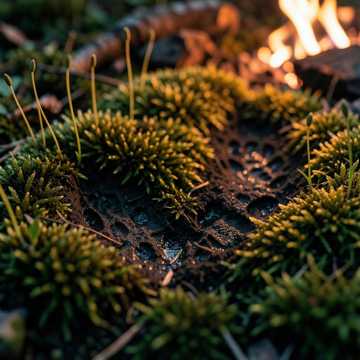
What We Leave Behind
Verse 1
Every word’s a little spark,
Every step can light the dark.
Every silence, every sound,
Plants a seed beneath the ground.
Pre-Chorus
We never see how far they go,
The quiet things we’ll never know.
Chorus
‘Cause we’re all leaving footprints,
On roads we’ll never find.
Some will fade with morning rain,
Some will outlast time.
May the echoes carry kindness,
When our voices can’t be found.
We’re all leaving footprints,
In hearts we’ve never known.
Verse 2
Every door we choose to close,
Changes where another goes.
Hands can lift or let them fall;
Love is in the smallest call.
Pre-Chorus
We never know whose sky turns blue,
Because of something small we do.
Chorus
‘Cause we’re all leaving footprints,
On roads we’ll never find.
Some will fade with morning rain,
Some will outlast time.
May the echoes carry kindness,
When our voices can’t be found.
We’re all leaving footprints,
In hearts we’ve never known.
Bridge
If every stone can stir the sea,
If every flame can start a fire,
Then let my days, however small,
Leave more hope than they require.
No one owns tomorrow’s story;
We only write today’s.
So let my hands speak gently now,
Long after I’ve gone away.
Final Chorus
We’re all leaving footprints,
Whether we mean to or not.
Some become another’s shelter,
Some become their scars.
So may the echoes carry mercy,
Long beyond our names.
We’re all leaving footprints—
Choose them well today.